







Search Results for: Producing Regions and Harvest Seasons
An Analysis of Colombia's Coffee Growing Regions and Harvest Seasons: A Comprehensive Introduction to Varieties, Flavors, and Processing Methods
Colombia is the world's third-largest coffee exporter and the largest exporter of Arabica beans and washed beans, hailed as "green gold." This article systematically reviews Colombia's coffee-growing regions, harvest season patterns, main varieties and processing methods, and introduces representative regions one by one, including Santander, Antioquia, Tolima, Huila, Cauca, and Nariño. Colombian coffee is known for its silky, balanced taste, with family-run operations and volcanic soil giving it a unique quality. The article also covers the functions of the FNC and CENICAFE, green bean grading standards, and competition mechanisms such as the Cup of Excellence in Cauca, making it suitable for coffee enthusiasts to gain a comprehensive understanding of Colombian coffee's terroir and the industry as a whole. [more…]
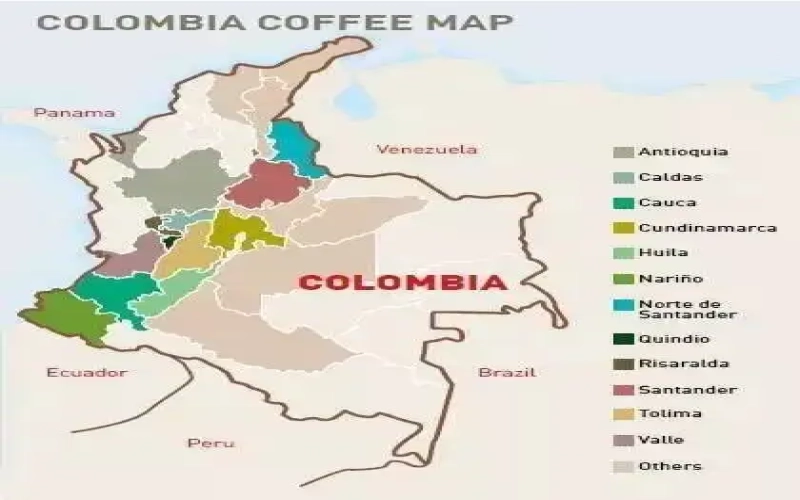
A Complete Guide to Colombian Specialty Coffee Regions: Harvest Seasons, Flavor Profiles, Varieties, and Processing Methods
Colombia is the world's third-largest coffee exporter and the largest exporter of Arabica beans and washed beans. This article systematically reviews the core knowledge of Colombian specialty coffee: starting from the terroir conditions of the three major producing regions in the Andes Mountains, it explains in detail the differences between the northern and southern harvest seasons and the harvest time windows, introduces major varieties such as Caturra, Bourbon, and Castillo as well as the history of disease-resistant breeding, analyzes the unique characteristics of household washed processing, and examines one by one the flavor characteristics of well-known producing regions such as Santander, Huila, Cauca, and Nariño. The article also includes the producing region information and brewing flavors of several Colombian beans from Front Street Coffee, providing coffee enthusiasts with a complete framework for understanding Colombian coffee. [more…]
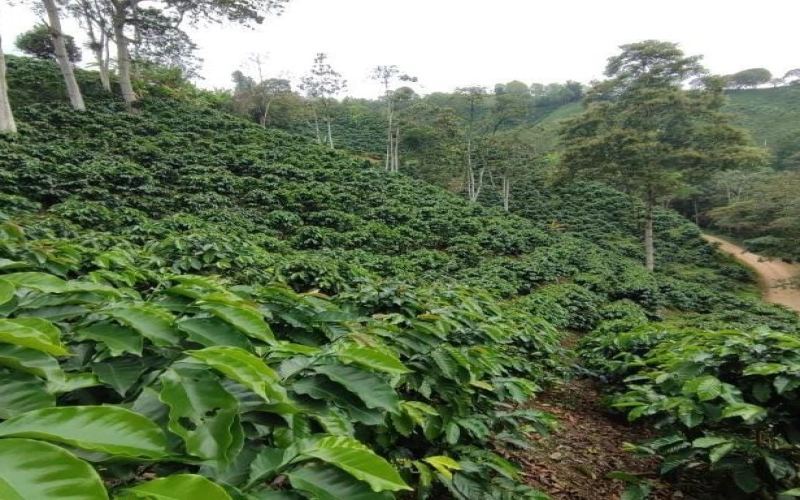
The History of Coffee Cultivation in Colombia and the Origins of the Geisha Variety: From Producing Regions to the Flavor Evolution of Hacienda La Esmeralda
Colombia is the world's second-largest coffee producer, and its coffee-growing history dates back to the Spanish colonial period in the sixteenth century. Today it has developed a dual structure of commercial Arabica in the north and specialty production areas in the south. Starting from Colombia's topography and microclimates, this article outlines its production regions, harvest seasons, and green bean grading system, and then takes an in-depth look at the legendary Geisha variety's wandering journey—from being discovered in an Ethiopian village, through Kenya and Costa Rica, to finally shining brightly at Hacienda La Esmeralda in Panama. Through cupping, Front Street Coffee has recorded Geisha coffee's full-bodied blackcurrant juice character, rich berry aroma, and red wine finish, giving you a comprehensive understanding of the terroir and stories behind this "green gold." [more…]
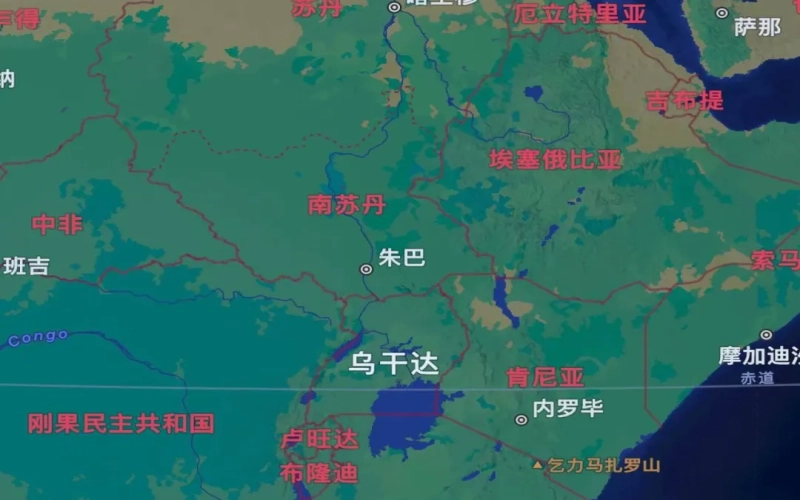
A Panoramic View of Uganda's Coffee Regions: A Variety and Terroir Analysis from Robusta to Arabica
When it comes to African coffee, many people first think of Ethiopia, but Uganda on the East African plateau is equally not to be overlooked. This country straddling the equator started with Robusta, and in recent years Arabica has also been flourishing. Most of Uganda lies on the East African plateau, with numerous lakes, moderate altitudes, volcanic soil, and distinct rainy seasons, providing superior conditions for coffee cultivation. The country's producing regions are roughly divided into three major areas: Bugisu, West Nile, and the Rwenzori Mountains, each with its own characteristics in altitude, harvest season, and varieties. Wugar (washed Arabica) and Drugar (natural Arabica) are locally unique terms. This article will take you through Uganda's national flag symbolism, geography and climate, as well as the varieties grown and harvest rhythms of its three major producing regions. [more…]
Flavor Analysis of Colombia's Four Major Specialty Coffee Regions: From Andean Volcanic Soil to Balanced Sweetness in the Cup
Colombia is the world's largest exporter of Arabica coffee and the country with the highest export volume of washed beans. Its coffee is renowned as "green gold" for its balanced, smooth taste and consistent quality. The Andes run through the entire country, and volcanic soil, high altitude, and family-run farming together shape the distinctive character of Colombian coffee. This article will break down the flavor characteristics of coffee from each region one by one, from the history of the producing areas, cultivated varieties, and processing methods to the harvest season and the four major specialty regions—Santander, Antioquia, Tolima, Huila, Cauca, and Narino—and will also include Front Street Coffee's brewing parameters and product recommendations to help you fully understand the charm of Colombian specialty coffee. [more…]
Why is Colombian coffee regarded as a top choice? A full analysis of origin terroir, varieties, processing, and brewing
As the world's third-largest coffee exporter, Colombia—blessed with exceptional volcanic soil and a family-farming tradition—produces a balanced, smooth, and highly acclaimed Arabica coffee. From Huila in the south to Santander in the north, and from varieties such as Caturra, Castillo, and Geisha, different regions and processing methods interweave rich layers of berry, nut, caramel, and floral notes. Front Street Coffee will guide you through an in-depth look at Colombia's coffee-growing regions, harvest seasons, variety evolution, and brewing suggestions, and recommend a selection of representative beans to help you fully grasp the unique charm of this South American coffee kingdom. [more…]
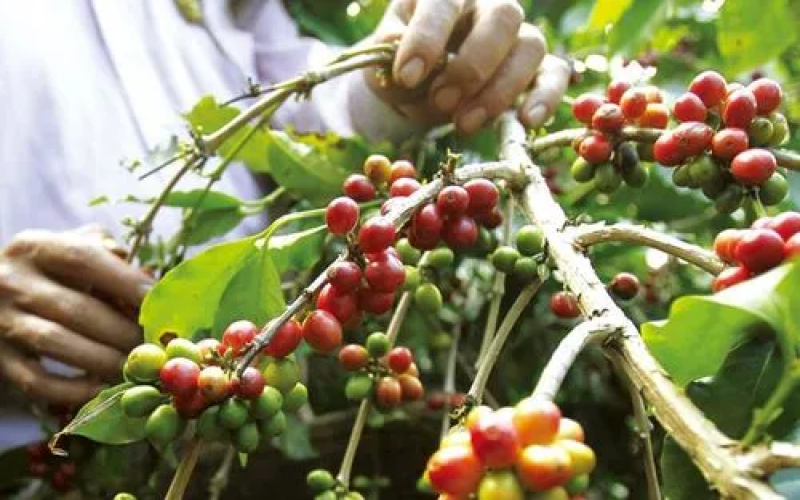
A Complete Guide to Ugandan Coffee: Origins of Native Robusta, Terroir of Three Major Regions, and Variety Distribution
Uganda is located on the equator in East Africa, and its unique geographical environment of high altitudes and numerous lakes makes it one of the few homes to native coffee tree species in the world. Starting from its historical context, this article will sort out the complete journey of Ugandan coffee from its beginnings in the colonial period, through industry ups and downs, to its modern transformation, and introduce one by one the altitude conditions, harvest seasons, and planted varieties of the three major producing regions: Bugisu, West Nile, and Mount Renzori. Whether you are a seasoned enthusiast who loves African beans or a beginner who has just come into contact with specialty coffee, you can learn about the unique charm of Ugandan coffee. Front Street Coffee also continuously pays attention to the flavor performance of various African producing regions, bringing more choices to coffee lovers. [more…]

A Comprehensive Analysis of Colombia's Specialty Coffee Regions: Climate Characteristics, Harvest Seasons, and Flavor Comparison of Five Major Producing Areas
Colombia boasts two major ports on the Atlantic and Pacific Oceans, and its unique geographical conditions allow its coffee to be exported worldwide, giving it a clear advantage in transportation costs among South American countries. Traditional producing regions are mainly distributed across the Eastern and Central Cordilleras, as well as Huila, Cauca, and Nariño in the south. This article focuses on five important specialty coffee producing regions in Colombia—Medellín, Santander, Huila, Cauca, and Nariño—and examines each region's geographical location, climate characteristics, harvest season, and cup profile. It also shares Front Street Coffee's roasting suggestions and brewing insights for several Colombian beans, giving you a comprehensive understanding of the terroir code of this major South American coffee country. [more…]
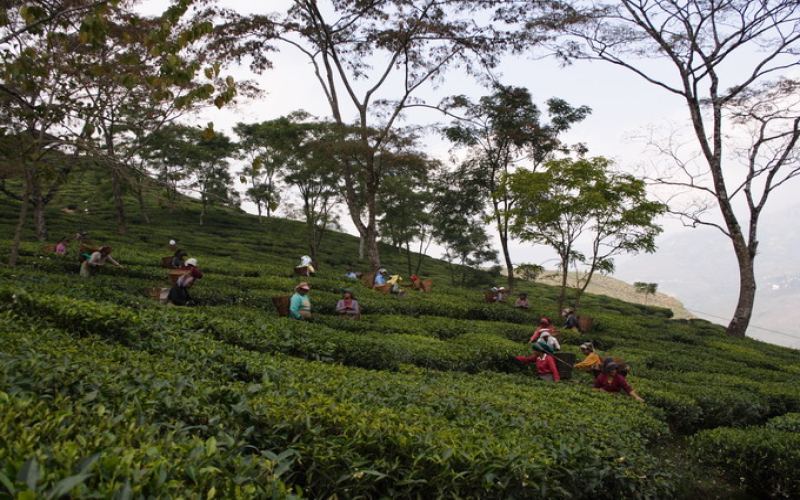
Darjeeling vs. Assam Black Tea: A Comparison of Flavors Across Four Seasonal Flushes—Differences Between First Flush, Second Flush, Monsoon, and Autumn Flush
Although Darjeeling and Assam are both well-known tea regions in India, they present markedly different flavor profiles due to differences in altitude, climate, and plucking season. Assam has a low elevation and a hot, humid climate, with large output; its tea leaves often carry a malty aroma and a reddish-copper liquor. Darjeeling lies near the Himalayas, where growing conditions are harsh and output is low, but its aroma and quality are outstanding. Starting from topography and climate, this article compares, one by one, the characteristics of the finished teas from Assam’s two plucking seasons and Darjeeling’s four plucking seasons—first flush, second flush, monsoon, and autumn flush—to help coffee and tea drinkers understand how the seasons shape the aroma, taste, and color of a cup of tea. [more…]
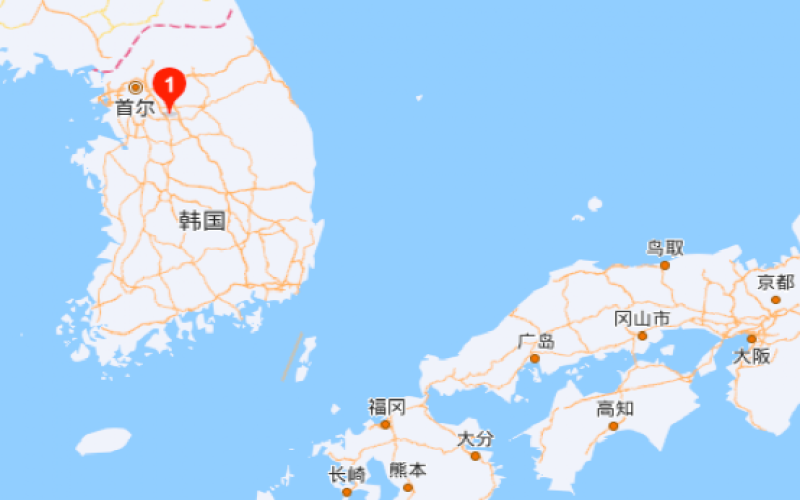
Korean Icheon coffee farm successfully cultivates Arabica Bourbon variety, marking the official start of the local coffee bean harvest season
Coffee cultivation has traditionally been concentrated in the golden belt between the Tropic of Cancer and the Tropic of Capricorn, but this pattern is now being continually challenged. A coffee experience farm in Icheon, South Korea, has successfully grown Arabica coffee beans and welcomed its harvest season, pushing the latitude of human coffee cultivation to a new high. The farm covers a total area of 2,000 pyeong, of which 800 pyeong are planted with about 2,000 coffee trees, including Yellow Bourbon and Red Bourbon varieties. To overcome the limitations of a climate with four distinct seasons, the farm uses facilities such as plastic greenhouses and shade cloth to keep the indoor temperature at around 15 degrees Celsius year-round. This coffee plantation is expected to harvest 5 to 7 tons of coffee cherries, ultimately producing 500 to 700 kilograms of green beans. As South Korea's coffee import value and number of coffee shops both hit new highs, whether locally grown coffee beans can become a new market favorite is worth continued attention. [more…]
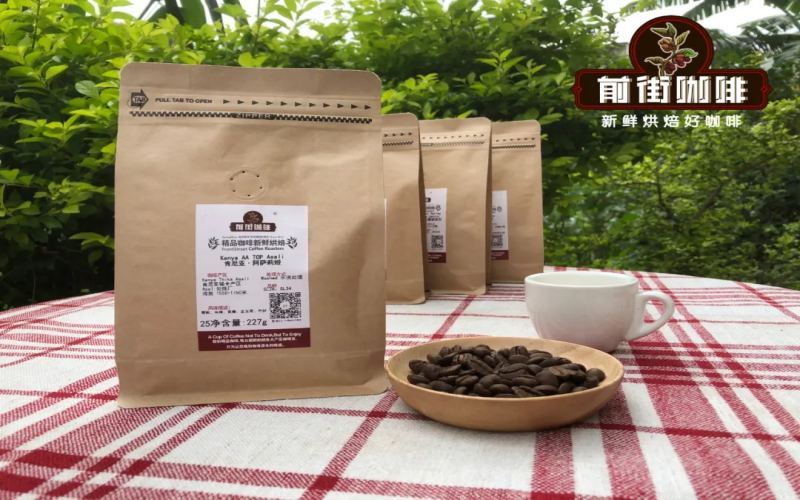
Kenyan Coffee Beans: A Complete Guide to the Flavor Profiles of Seven Major Regions, AA Grading, 72-Hour Washed Processing, and SL Varieties
Kenyan coffee has always been a favorite among acidity lovers, and in recent years it has shown a full berry-juice feel, dark plum acidity, and caramel sweetness. This article systematically reviews Kenya's coffee-growing geography and harvest seasons, the terroir characteristics and elevation ranges of seven well-known producing regions (Thika, Kirinyaga, the western side of Mount Kenya, Nyeri, Kiambu, Ruiru, and Murang'a), explains the AA grading system and the TOP/PLUS/FAQ cupping grades, details the world-famous K72-hour washed processing method, traces the breeding history and flavor differences of the two representative varieties SL28 and SL34, and includes Front Street Coffee's brewing parameters and technique suggestions, helping readers gain a comprehensive understanding of the unique charm of Kenyan coffee. [more…]
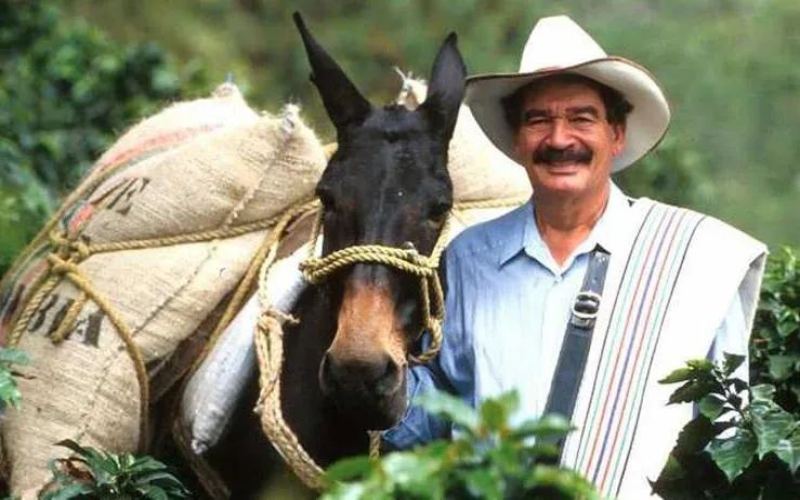
Colombian Coffee Brand Roundup: A Complete Analysis of Flavors and Grading from Don Juan to the Huila Specialty Region
For coffee enthusiasts, Colombia is always an unavoidable classic origin. This article begins with the household-recognized brand image of Juan Valdez, systematically outlining Colombia's coffee-growing regions, climate characteristics, harvest seasons, and the landscape of specialty production areas, while offering an in-depth interpretation of why Huila Department has become the specialty region that Front Street Coffee selects as Colombia's flagship representative. The article also provides a detailed introduction to Colombia's green bean screen-size grading standards—the specific meanings of export grades such as UGQ, EP, and Supremo, along with their screen mesh specifications—as well as the practical application of the washed processing method in the Huila region. Finally, using Huila coffee beans as an example, Front Street fully demonstrates the extraction steps for a moka pot, offering a reference for daily brewing. [more…]
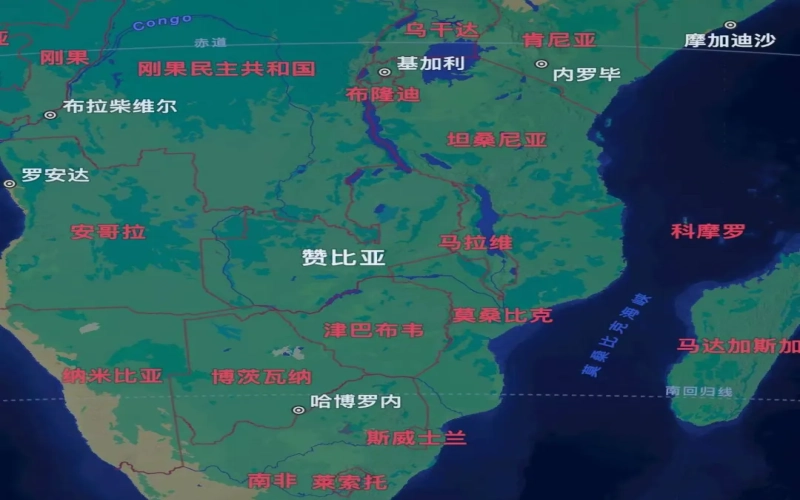
An Analysis of Zambia's Coffee-Producing Geography, Major Growing Regions, and Varieties
African coffee occupies an important position in the global market. Ethiopia is widely recognized as the birthplace of coffee, and Zambia is likewise an African producing country worth noting. Zambia is located in south-central Africa, a landlocked country bordering nine nations, with a land area of about 752,600 square kilometers. Most of the country consists of plateaus at elevations of 1,000 to 1,500 meters, with a tropical savanna climate, an average annual temperature of 18 to 20°C, and three seasons—dry and cool, dry and hot, and warm and wet—making it suitable for growing crops such as coffee. Coffee is mainly distributed in Muchinga Province, Northern Province, Luapula Province, Copperbelt Province, Lusaka Province, and North-Western Province, primarily grown on large estates. All varieties are Arabica, with the Catimor series and SL28 accounting for the majority. The harvest period runs from October to March of the following year. [more…]
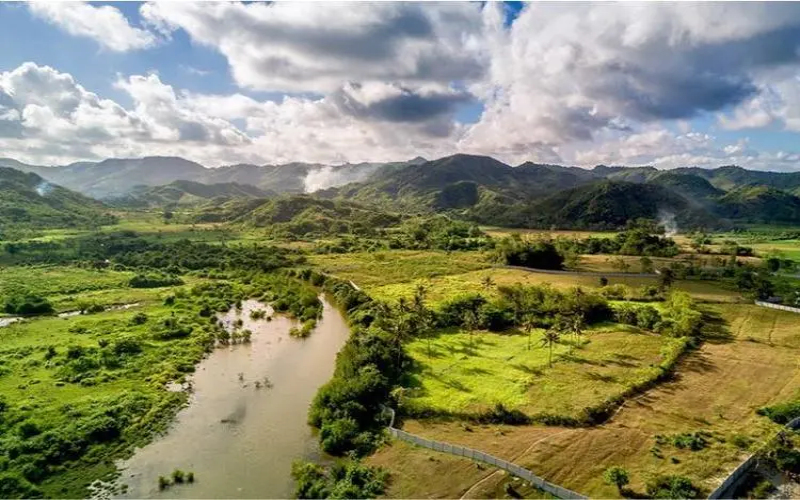
A Complete Guide to Indonesian Coffee Origins: From Sumatra to Bali, Varieties and the Mandheling Coffee Story
Indonesia, as the world's largest archipelagic nation, spans Asia and Oceania and is made up of more than seventeen thousand islands, and its unique tropical climate provides ideal conditions for coffee cultivation. From the arrival of the first coffee seedlings in Jakarta in 1696, the coffee industry on this land has gone through the impact of leaf rust, the replacement of varieties, and the differentiated development of producing regions across the islands. Today, Robusta occupies a dominant position, while Arabica also has its own distinctive characteristics in Sumatra, Java, Sulawesi, and other places. This article will take you through the distribution, cultivated varieties, and harvest seasons of Indonesia's main coffee-producing regions one by one, and clarify the ethnic origins behind the name "Mandheling." Front Street Coffee will also recommend Indonesian coffees worth paying attention to. [more…]

Why Is Colombian Coffee Praised as Green Gold? A Full Analysis of Huila Region Flavors and Brewing
As the world's second-largest coffee producer and the largest exporter of washed Arabica beans, Colombia is renowned for its silky, balanced coffee, praised as "green gold." From the volcanic soils of the Andes to meticulous family farming, from the evolution of varieties like Caturra and Castillo to its distinctive washed processing, the allure of Colombian coffee goes far beyond this. This article will take an in-depth look at the flavor characteristics of specialty regions such as Huila, Colombia, sort out the distribution of producing regions, variety iteration, and processing details, and include Front Street Coffee's brewing suggestions along with several Colombian bean recommendations, giving you a comprehensive understanding of the charm of this South American coffee kingdom. [more…]

A Complete Guide to Latin American Coffee Regions: Flavor Profiles, Processing Methods, and Brewing Guides for Signature Beans
Among the world's three major coffee-producing regions, Latin America stands out for its balanced taste and rich, cocoa- and dark-chocolate-like flavors. This article systematically reviews the coffee-growing backgrounds, main producing areas, processing method characteristics, and flavor profiles of countries such as Brazil, Colombia, Panama, Costa Rica, Honduras, Jamaica, Guatemala, and Nicaragua, and combines them with Front Street Coffee's everyday beans series and brewing methods to help coffee lovers build an overall understanding of Latin American coffee, making it a valuable reference for both everyday purchasing and pour-over practice. [more…]
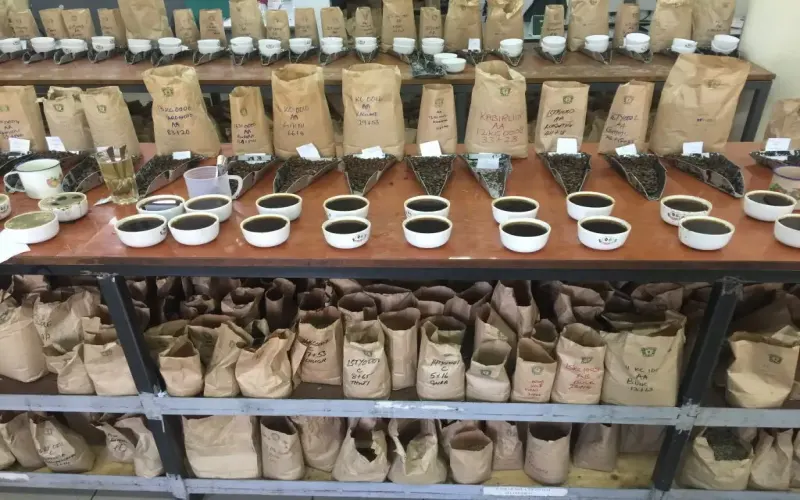
How Are Kenyan Coffee Beans Graded? A Detailed Explanation of the Eight Grade Classifications and the Characteristics of Each Tier
Kenyan coffee is renowned worldwide for its bright fruity aromas and juice-like acidity, and is a beloved favorite among many coffee enthusiasts. But do you know how Kenyan coffee beans are graded? This article will guide you through Kenya's eight major coffee grades—from the rare E-grade Elephant beans to the MH/ML grades sold only domestically—analyzing each tier's bean size, screening source, and quality characteristics one by one. It will also introduce Kenya's coffee-growing history, main producing regions, and harvest seasons, helping you gain a more comprehensive understanding of this African specialty coffee-producing country's grading system. Front Street Coffee also recommends noteworthy Kenyan bean varieties for you in this article. [more…]
A Comprehensive Review of the World's Top Ten Famous Coffee Regions: Flavor Profiles, Grading Systems, and Representative Bean Varieties
Faced with a dazzling array of coffee beans, which producing regions truly deserve a try? This article systematically lays out the world's ten most representative single-origin coffees—from Colombia Supremo to Panama Geisha—covering each region's flavor characteristics, grading standards, processing methods, and harvest seasons. Whether you're a beginner just getting into specialty coffee or a seasoned drinker looking for your next daily bag, this guide will help you more clearly understand the flavor direction you prefer. The article also includes recommendations for corresponding Front Street Coffee products, making it easy to compare and choose. [more…]
Analysis of Colombia Finca La Esperanza Geisha Coffee Beans: Nectar Flavor and a Full View of Estate Cultivation
Geisha coffee has become a star in the specialty coffee world thanks to its unique floral and fruity aromas, and the natural-process Geisha produced at Colombia's Hacienda La Esperanza takes this variety's charm to new heights. This article starts with a cup of La Esperanza's Margarita plot Geisha, sourced through Front Street Coffee, to guide you through La Esperanza's history, the distribution of its five sub-farms, the terroir advantages of the Cauca Valley producing region, and the estate's relentless pursuit of variety experimentation, meticulous harvesting, and processing. If you are a Geisha enthusiast, or are looking for an outstanding Colombian single-origin bean, this article will provide you with a complete reference. [more…]
The Acidic Charm of Kenyan Coffee: An Analysis of Production Regions, SL Varieties, and the 72-Hour Washed Process
Kenyan coffee is world-renowned for its bright, uplifting acidity and full, juicy body, making it the benchmark for acidity in the minds of many coffee lovers. This article will start with Kenya's coffee-growing geography and harvest seasons, then go through the characteristics of each of the seven major producing regions one by one, explain the AA grading system and the unique 72-hour washed processing method, and take an in-depth look at the origins and flavor profiles of the two classic varieties, SL28 and SL34. At the same time, Front Street Coffee will share, based on its own roasted Kenya Asalia coffee beans, how to use a segmented extraction approach to fully bring out this bean's rich fruity aromas of cherry tomato and black plum along with its thick, syrupy juice-like body. [more…]